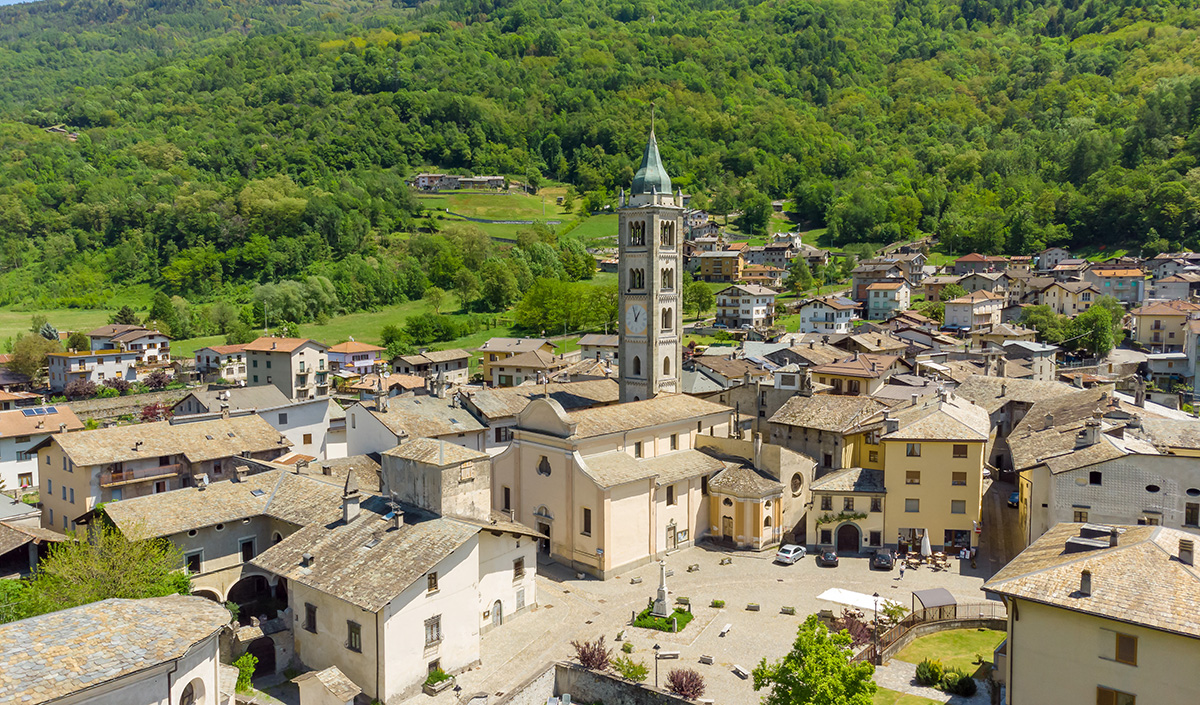
The village of Mazzo is steeped in history, once serving as the main centre of one of the oldest pieves (rural ecclesiastical districts) in Valtellina. Its territory stretched along the Adda Valley, from Sernio to Sondalo. The baptistery dedicated to St. John the Baptist and the nearby Church of St. Stephen form the heart of Mazzo’s baptismal complex—a true treasure trove of art and spirituality.
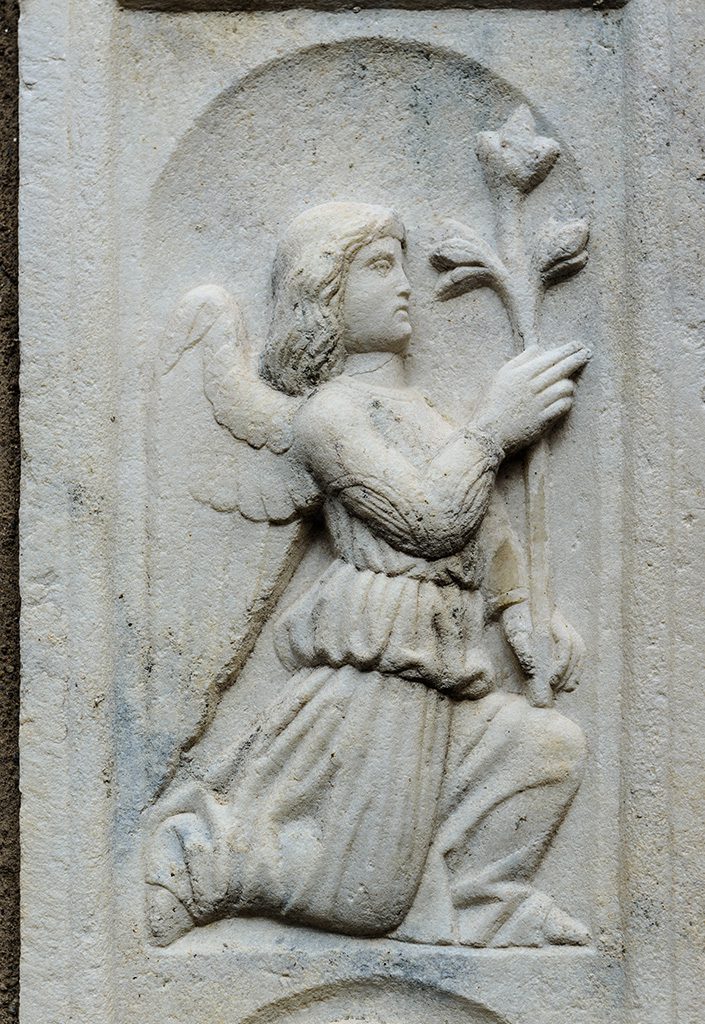
The spiritual life of the village revolved around the Church of St. Stephen, a building with roots dating back to the late Middle Ages, although its upper parts have been altered multiple times over the centuries. You can’t miss the marble portal sculpted by Bernardino de Torgiis de Maroggia, a stunning work admired for its beauty and intricate detail. At the end of the 16th century, the renowned painter Cipriano Valorsa decorated the sacristy with frescoes that still captivate visitors today. Inside the right nave, the altar of the Madonna of the Rosary stands out—a finely carved wooden altarpiece telling stories of devotion and artistry.
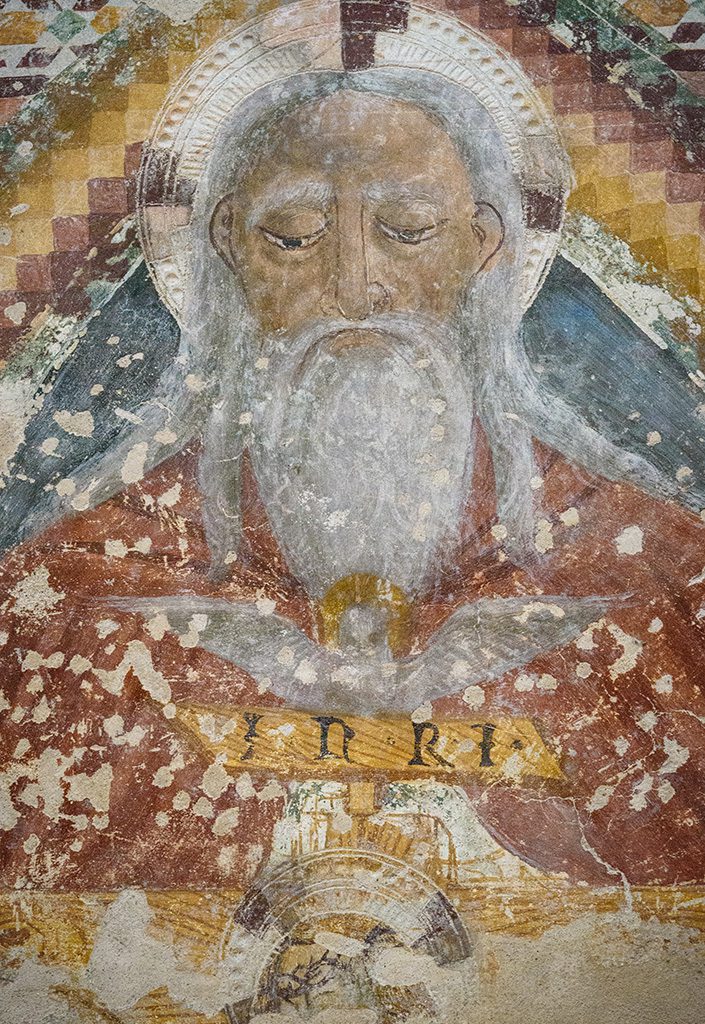
Another gem is the baptistery dedicated to St. John the Baptist, dating back to the 11th century. Inside its walls, you can discover remnants of late 15th-century frescoes attributed to the local painter Giovannino da Sondalo. Don’t miss the early medieval baptismal font from the 7th century, the oldest evidence of Christianity in Valtellina.
At the heart of the historic centre lies Palazzo Lavizzari, a noble residence once belonging to the Venosta family. After the marriage of Margherita Venosta and Pietro Angelo Lambertenghi, the grand Hall of Coats of Arms was created—an impressive space adorned with 14 heraldic shields. At the centre, you can admire the couple’s coats of arms alongside those of their respective families.
The Church of Sant’Abbondio di Vione dates back to the Renaissance. Its simple yet elegant façade features a fresco of the Virgin and Child flanked by Saints Abbondio and Anthony of Padua, painted by Cipriano Valorsa. Inside, you can also admire the apse frescoes, considered one of the area’s most significant artistic treasures. Created around 1587, these frescoes showcase Valorsa’s mastery through a fluid cycle full of vivid colours and remarkable preservation—one of the highlights of his prolific artistic career.